

-
 070-5224-0866
-
051-744-1116
-
010-5815-1146
-
010-5826-1146
-
010-5812-1146
-
070-5224-0898
-
033-634-1281
-
0507-1349-8822
 예약
 예약
 예약

-
070-5224-0869
-
0507-1320-0630

-
0507-1456-9917




예약하기
마키노차야에 예약하실 지점을 선택해주세요.

 강남역 1번출구, 국기원 사거리


CUSTOMER
SERVICE
LF’s business portfolio, which combines fashion with food, is drawing attention amid COVID-19.
Sales of `Mono Kitchen`, the online mall specializing in home meal replacement (HMR) delivery that LF Food launched in January this year, and its buffet lunch box delivery service have been surging by an average of 100% per month this year. On top of that, sales of the new craft beer products launched at the end of last year are growing by 50% month over month. As the home economy rises with the surge of people staying and drinking at home due to COVID-19, LF’s food business is gaining prominence.
Sales are not large yet, but the growth trend is remarkable and draws attention. This is because food was the core portfolio LF chose years ago in order to leap beyond fashion into a lifestyle company. LF Food is LF’s wholly owned general food subsidiary and has been restructuring to create synergy in the food and beverage business, including absorbing its subsidiary Monolink (a business-to-business (B2B) food ingredient distributor) in March. LF Food has now built a variety of food and beverage business models, including B2B food ingredient distribution (Monolink), dining (MAKINOCHAYA, Hakoya), bakery (Publique), business-to-consumer (B2C) grocery sales (Mono Mart, Mono Kitchen Mall), and HMR brands (Kraze, Mono Kitchen). According to the Financial Supervisory Service’s electronic disclosure system, LF Food’s sales last year were KRW 62.3 billion, up about 70% from the previous year. Looking in detail at last year’s sales of LF’s food-related businesses, Monolink, Gourmet F&B Korea (a domestic distributor of European food ingredients) and Hwain F&B Service (an importer of European food ingredients) recorded KRW 93 billion, KRW 40 billion and KRW 25.7 billion respectively, for total sales of KRW 250 billion. LF’s food business sales last year rose 30% from the previous year.
LF has recently been focusing on the HMR business. To this end, at the end of last year it acquired meat processing manufacturer LTM Food and its wholesale/retail subsidiary Nature Food. LTM Food is a specialist manufacturer of processed frozen meat products such as pork cutlet and sweet and sour pork, with annual sales of KRW 14 billion as of the end of last year.
According to the `2019 Processed Food Market Segment Report` published by the Ministry of Agriculture, Food and Rural Affairs and the Korea Agro-Fisheries & Food Trade Corporation, the domestic HMR market grew 63% over three years, from KRW 2.2682 trillion in 2016 to KRW 2.7421 trillion in 2017 and KRW 3.2 trillion in 2018, and is expected to reach KRW 5 trillion in 2022. LF Food’s acquisition of a meat processing manufacturer is a move directly targeting the fast-growing domestic HMR market.
At the end of January this year, it also launched Mono Kitchen, its own online mall specializing in HMR delivery. Mono Kitchen, a convenience food mall, is doing so well that monthly sales have more than doubled since launch, as more people stay home due to COVID-19. In addition, starting this year, Kraze, Korea’s first premium handmade burger brand, is being fully renewed as an HMR brand specializing in premium casual dining, with plans to specialize in Western categories such as beef steak, barbecue pork ribs, hamburg steak and chicken breast.
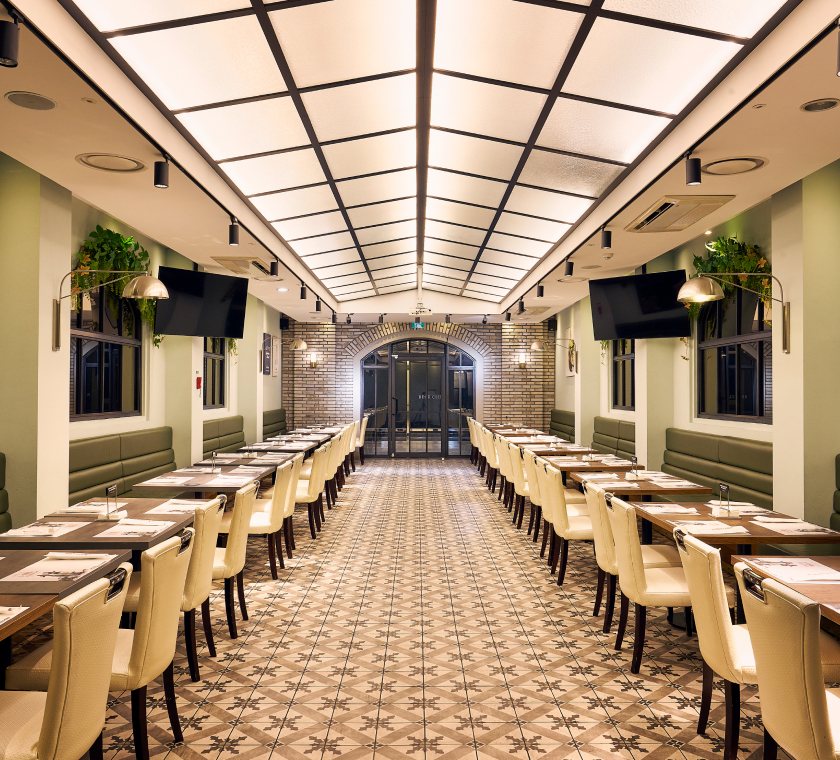
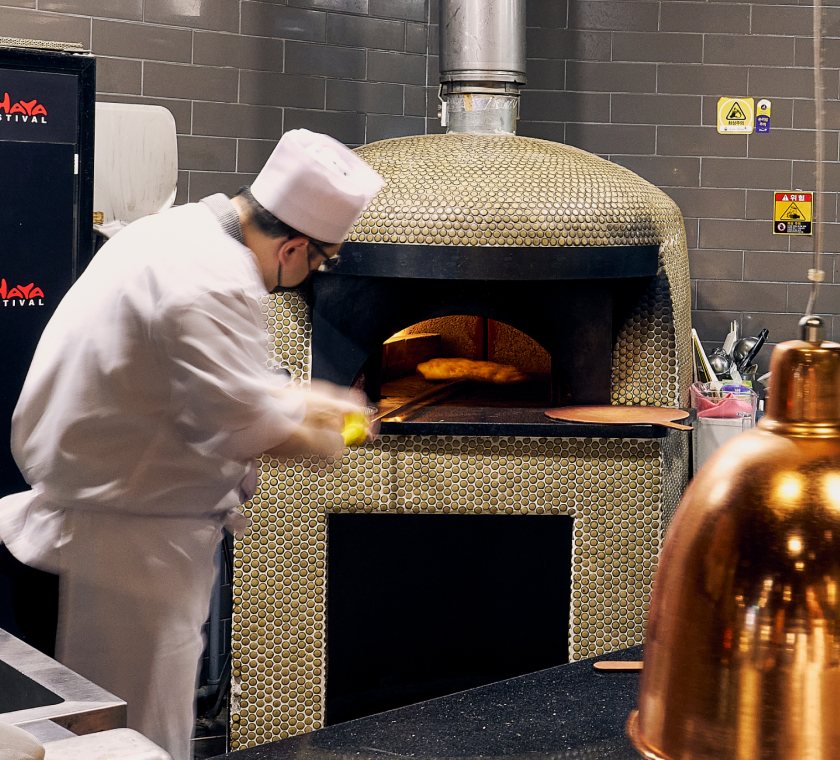
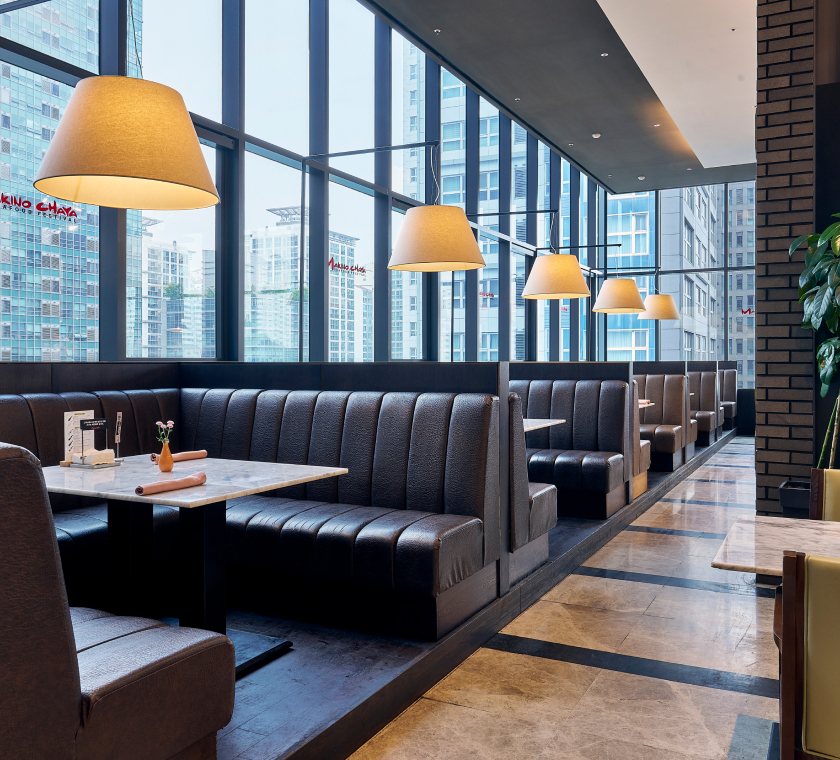
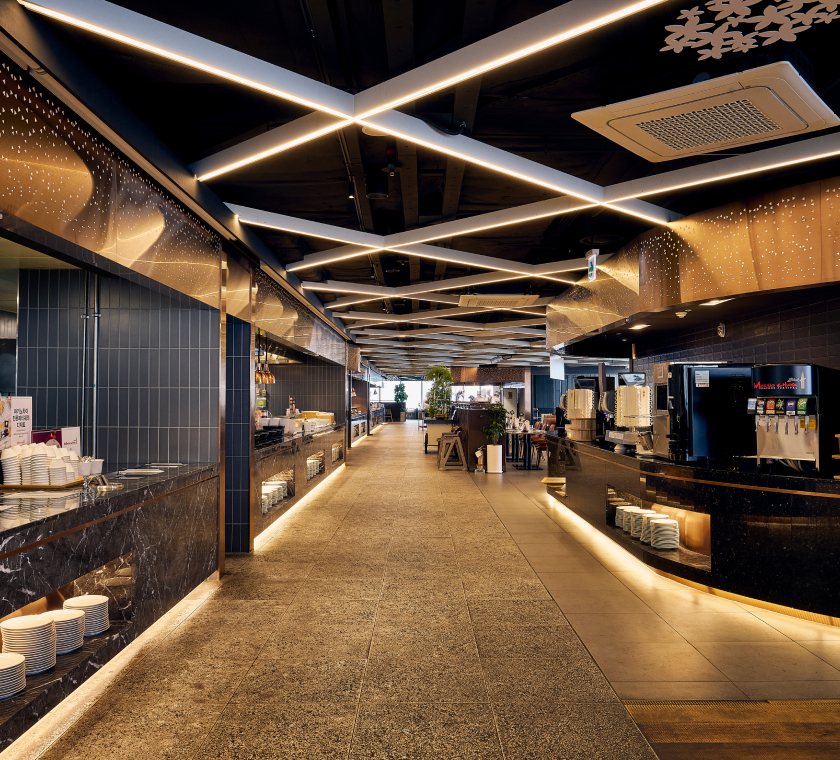
MAKINOCHAYA, LF Food’s premium seafood buffet restaurant, has performed well despite COVID-19 thanks to its buffet lunch box delivery service. Sales of the `Makino Buffet Box`, which has been packed with popular menu items and sold since last year, have doubled every month since February, when COVID-19 began to spread in earnest. The single-serving lunch pack is priced at around KRW 13,000–15,000. It has become popular with families as more people stay home due to remote work and online schooling caused by COVID-19.
Craft beer is also worth watching.
Two canned products, `Baekdusan IPA` and `Geumgangsan Golden Ale`, launched last November by Underzi, an imported liquor distributor and craft beer manufacturer and distributor acquired by LF in early 2017, have become popular products at convenience stores and large supermarkets. The revision of the Liquor Tax Act in January this year from an ad valorem tax to a specific (volume-based) tax, which lowered craft beer prices, is also an advantage. According to supermarkets and convenience stores, recent sales volume (among domestic craft beers) is reportedly in 2nd to 3rd place, following No. 1 Jeju Beer. Monthly sales growth currently averages 50% month over month.
[Reporter Lee Yun-jae]
[ⓒ Maeil Business Newspaper & mk.co.kr, unauthorized reproduction and redistribution prohibited]
[ⓒ Maeil Business Newspaper & mk.co.kr, unauthorized reproduction and redistribution prohibited]


